
Michael Gottschalk Michael Gottschalk

Roofing Red flags: What every homeowner should know!

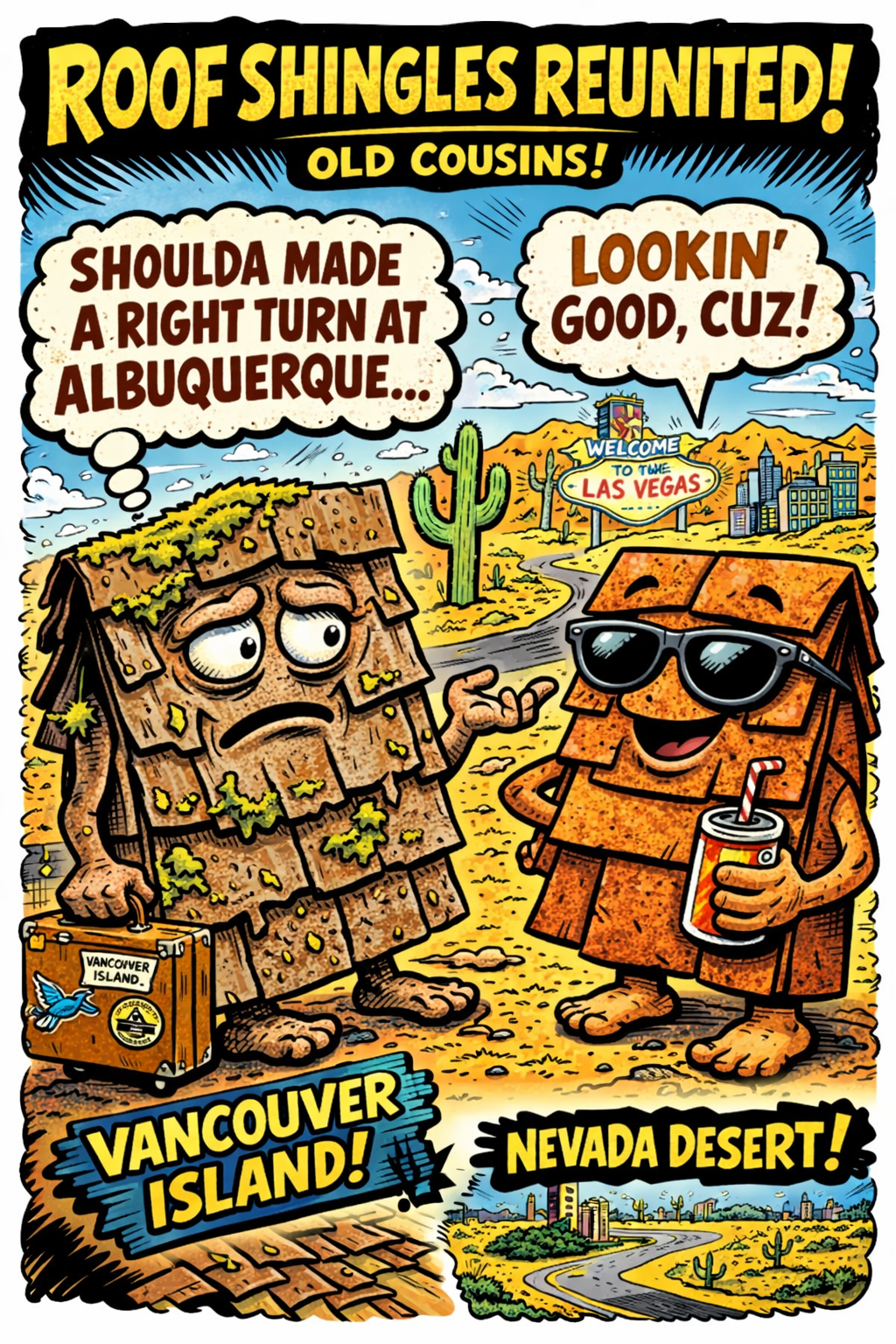
Roofing red flags

Because some things on a roof are funny… until they’re not.


Welcome to Elevra’s little corner of “what in the roofing world is going on up there?”

These are real examples found right here in our community — and while we keep things lighthearted, the lessons will protect your home (and your wallet) from some very not-so-funny problems.


Below are the most common roofing red flags we encounter, what they mean, and why they matter.

Laugh a little… learn a lot… and if you spot any of these on your own roof, just call us. We’ve seen it all.


1. The Great Shingle Overhang:

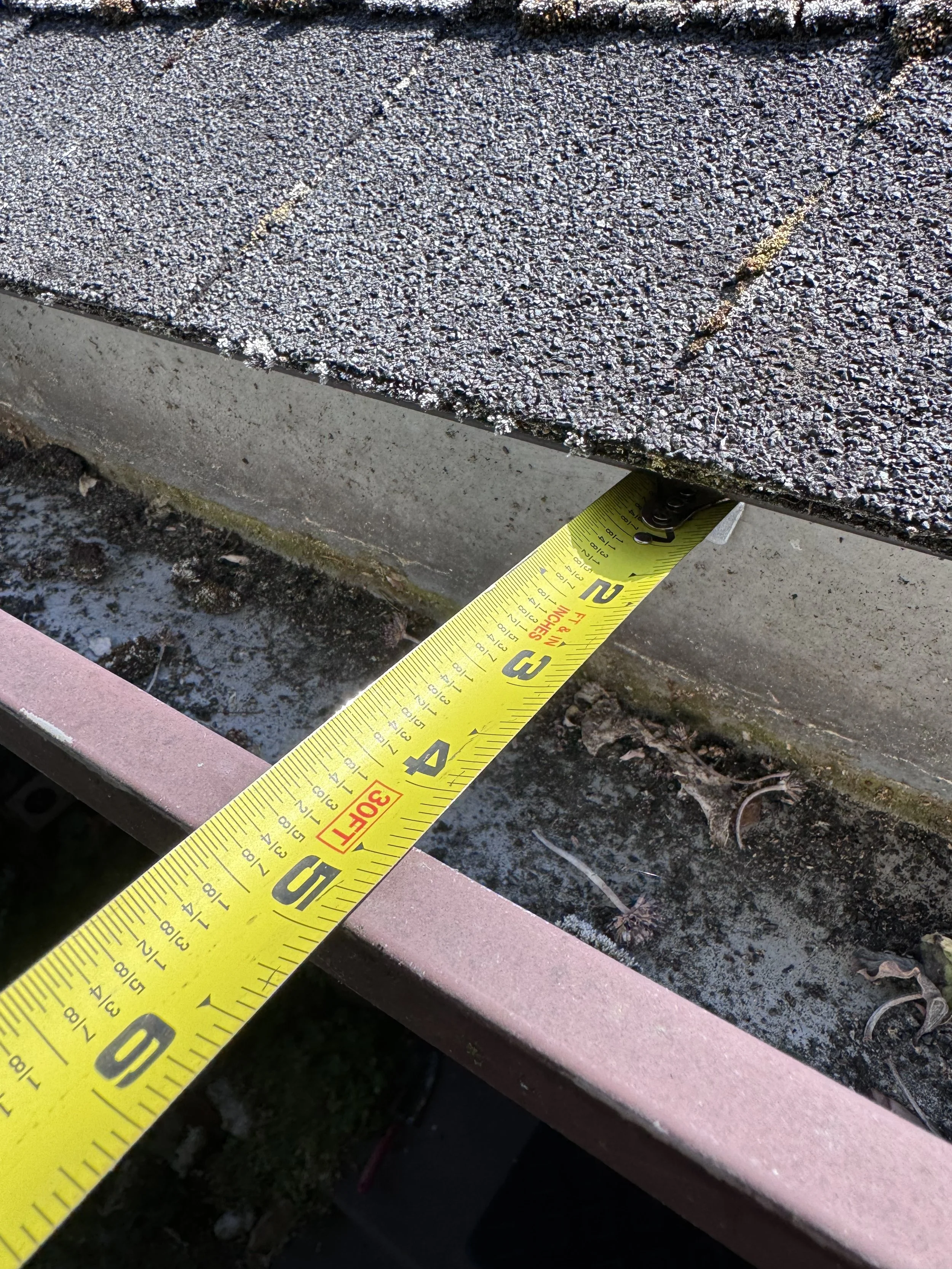
When 2 Inches Is 2 Inches Too Much

A 2-inch overhang might be perfectly acceptable on Uncle Johnny’s belly after Christmas dinner —

But on your roof, it’s a ticket to wind damage, lifted shingles, and a manufacturer warranty saying,

“nope… you’re on your own.”

Proper overhang should sit somewhere between ¼” and ¾”.

When shingles stretch out like they’re trying to escape the house, wind catches them like sails, water channels backward, and suddenly your roof is doing impressions of a badly installed roller coaster.


Why it matters:

• High wind vulnerability

• Water intrusion

• Voided warranty

• Shingles saying “goodbye forever” in storm season

Elevra installs your shingles by the book and then some, because tomorrow’s roof shouldn’t be hanging on by a thread… or by an extra inch and a half.


2. Roof Ventilation:

When A Roof Starts Looking Like Swiss Cheese

So many vents, so little air flow!

Too many components is not good for your roof.

Some roofs have so many vents that you start counting them like constellation stars.

North Vent, South Vent, East Vent… “Is that Orion’s Belt or just three turtle vents in a row?”

Too many vents — or vents installed without a proper airflow plan — can actually cancel each other out, creating competing air currents that do absolutely nothing to cool your attic or extend your shingle life.


Meanwhile, your roof looks like someone got carried away with a hole punch.

Why it matters:

• Shortens shingle lifespan

• Causes heat buildup

• Voids warranty

• Leads to moisture problems and mold

• Costs you more in energy


Elevra assesses your airflow like roofing meteorologists —

so your roof breathes properly, not chaotically.


Damage from missing drip edge

3. The case of the missing Drip Edge:

The Silent Destroyer of Fascia Boards

Drip edge is one of the cheapest pieces of roofing material — yet missing it can cost homeowners thousands.

Without it, rainwater curls back under the shingle, saturates the fascia, and quietly rots your wood from the inside out.

It’s basically the “slow burn horror movie” of roofing issues.


If your drip edge is missing, installed wrong, or looks like it was borrowed from a 1970s tool shed…

your roof is inviting water to a party it absolutely shouldn’t be hosting.


Why it matters:

• Fascia rot

• Soffit damage

• Hidden water intrusion

• Pest entry points

• Reduced roof lifespan


Elevra includes drip edge on every single roof, because it’s not optional — it’s foundational.


4. Shingle Quality:

When Cheap Roofs Age Like Milk, Not Wine

Good quality shingles age well

Here’s a fun fact: A properly installed, premium shingle roof at 10 years old should still look great — confident, composed, maybe a little wiser…

kind of like someone named Michael or Tammy.


Cheap shingles at the same age?

They often look like they’ve lived through six hurricanes, a forest fire, and three seasons of a reality show they never signed up for.


You’ll see:

• Curling

• Cracking

• Bald spots

• Granule loss

• Early leaks

• “I’m only 10 but feel 50” energy


Why it matters:

• Cheap roofs cost more long-term

• Insurance claims get complicated

• Energy efficiency drops

• Water intrusion risks skyrocket


At Elevra, we install materials engineered for Vancouver Island’s moss, rain, wind, and sideways weather — because you deserve a roof that ages gracefully, not dramatically.


Final Word: Don’t Ignore the Red Flags

Every one of these issues starts small… until suddenly they aren’t.

If something on your roof doesn’t look quite right, or you just want a professional (and friendly) inspection, Elevra is here to help. We combine building science, storm restoration expertise, and a dash of humor — because protecting your home doesn’t have to be stressful.


Need peace of mind? A second opinion? A roof that lasts?

Reach out to Elevra Roofing.

Tomorrow’s roof starts today.

Read More

The Mighty Shingle Overhang: Small Detail, Big Drama

Diagram showing proper shingle overhang on a roof edge.
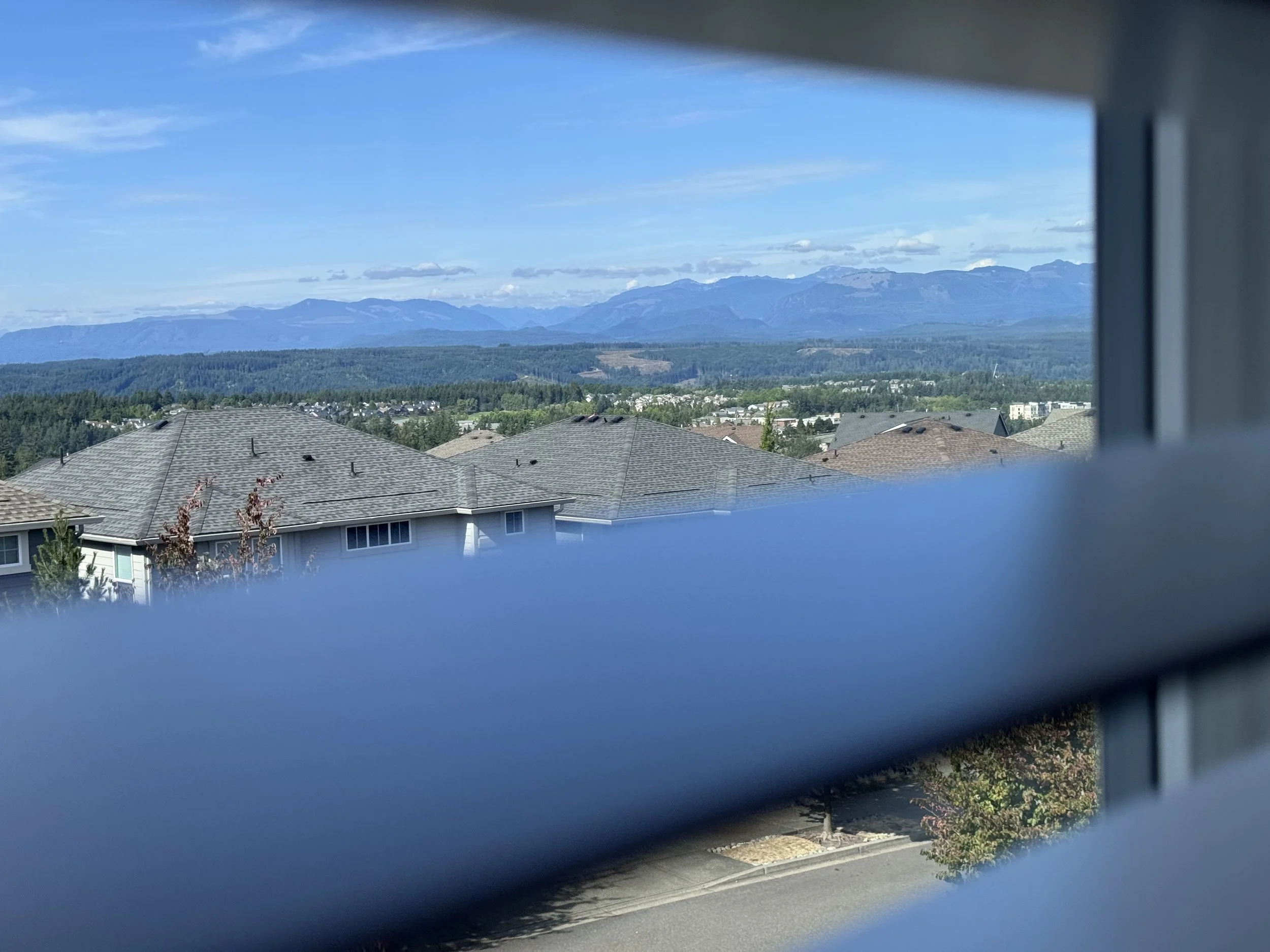
When it comes to roofing, homeowners often focus on the big stuff—shingle color, ridge vents, maybe even the cool factor of synthetic underlayment. But there’s one tiny hero doing a huge amount of work: the shingle overhang. Yep… that little ¼–¾ inch at the edge of your roof is basically the unsung bodyguard of the entire system. Get it right, and your roof thrives. Get it wrong, and things get… dramatic.

Why That Tiny Overhang Isn’t Just for Show

Believe it or not, manufacturers didn’t wake up one morning and pick ¼–¾ inch because it sounded cute. That distance is tested, engineered, and approved to send rainwater away from your fascia instead of letting it dribble back like a leaky coffee cup. Too little overhang and the water sneaks behind the edge, soaking the fascia boards and causing rot. Too much overhang and suddenly your shingles are hanging out like a kid on a diving board—no support, all wobbles, and guaranteed trouble the moment a Vancouver Island wind gust decides to show off.

When Overhang Goes Rogue

Let’s talk about the “too much” scenario, because this is where things get spicy. If a shingle extends past the drip edge more than ¾”, it becomes a sail. A real, honest-to-goodness mini sail. One good storm and those shingles start flapping like they’re trying to take flight. That stress can break the adhesive seal, bend the fasteners, and cue the domino effect you really don’t want—shingles lifting, tearing, and eventually leaving your roof looking like it tried to enter a demolition derby. And here’s the kicker: if the overhang isn’t within manufacturer specs, the warranty quietly packs its bags and leaves.

Warranty Says: “Follow the Rules or We’re Out”

Manufacturers are strict about overhang because they test wind ratings with that exact measurement. The moment your installer decides to freestyle and hang shingles an inch or two over the edge, the warranty is void. That means no coverage if something fails, no help if shingles blow off, and no support if defects show up later. Basically, your roof loses its safety net—and roofs without safety nets tend to get expensive very fast.

The Elevra Take: Keep It Tight, Keep It Right

Here on Vancouver Island, where the winds sometimes arrive sideways just for fun, keeping your shingle overhang within the ¼–¾ inch range isn’t just recommended—it’s survival. At Elevra Roofing, we measure it, double-check it, and—even though we don’t like to brag—take ridiculous pride in getting this detail perfect. Because roofs aren’t just built to look pretty. They’re built to last, stay sealed, and keep homeowners from waking up during a storm wondering, “Should it sound like that?”

A Tiny Measurement With Huge Benefits

So the next time you look at a roof edge, give that little overhang a moment of respect. It’s doing more work than most people ever notice—protecting warranties, improving wind resistance, and preventing water from sneaking where it doesn’t belong. And like most things in life, when you keep it within the proper limits, everything just works better.

Read More
Michael Gottschalk Michael Gottschalk

The Overlooked Guardian of your Home

Picture of a neighbor that is envious of an Elevra Roofing job after a Storm damage restoration and insurance claim.
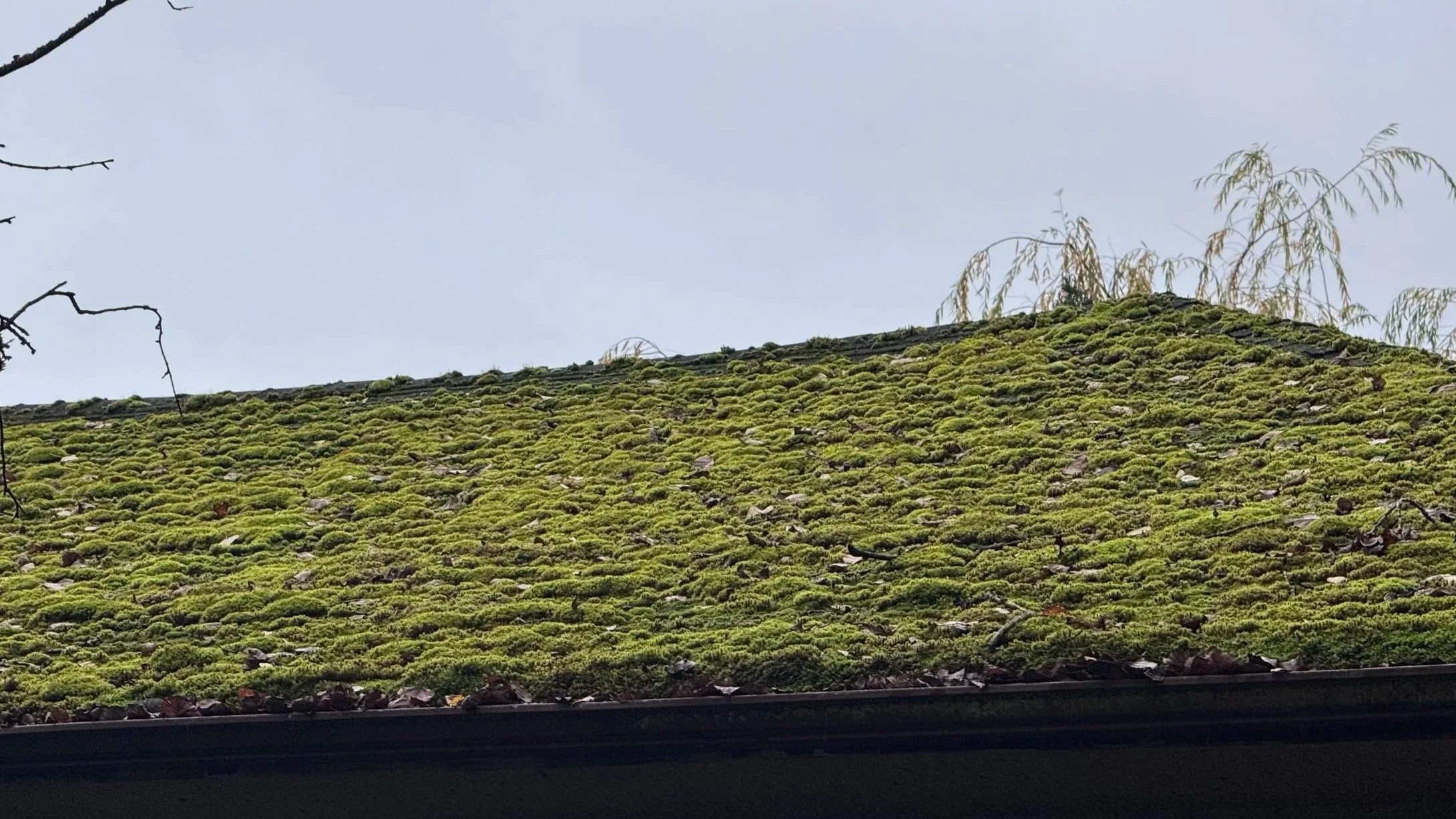
How a Properly Installed Roof Protects You, Your Family, and Your Investment

Your roof is more than just shingles and nails — it’s your home’s first and most important line of defense. A properly installed roof doesn’t just keep the rain out; it safeguards your family’s comfort, your home’s structure, and the financial investment you’ve made in your property.

1. Safety for Your Family

A quality roof protects you and your loved ones from extreme weather, whether it’s heavy rain, strong winds, scorching heat, or even snow. Proper installation ensures there are no weak points where water can leak in or wind can lift materials. Did you know that a poorly installed roof can void the manufacturer’s warranty? Nobody wants that! a properly installed roof means less risk of mold, structural damage, sudden costly repairs or worst yet, putting you and your family’s health at risk.

2. Protection for Your Home’s Structure

Water is the enemy of any home. When a roof is installed with precision and attention to detail — from flashing around chimneys to proper ventilation — it prevents water intrusion, rot, Moisture buildup in the Attic, and warped framing. This not only extends the lifespan of your roof but also the life of your entire home.

3. Safeguarding Your Financial Investment

Your home is one of the largest investments you’ll make. A roof built with premium materials and expert craftsmanship adds value, improves curb appeal, and lowers long-term maintenance costs. And if you decide to sell, a well-documented, properly installed roof can increase your resale value and buyer confidence.

4. Bonus: Lower Energy Costs

When paired with proper insulation and ventilation, a well-installed roof helps regulate indoor temperatures — keeping you cooler in summer and warmer in winter — which can reduce your energy bills.

💡 Pro Tip of the Month: Have your roof inspected at least once a year, and after any major storms. Early detection of small issues can save thousands in repairs. At Elevra we provide a completely FREE of charge comprehensive roof inspection! Don’t wait another minute, contact us NOW!

Ready to ensure your roof is protecting everything that matters most?

📞 Call Elevra Roofing today for a free roof analysis — because peace of mind starts above your head.

Read More
Michael Gottschalk Michael Gottschalk

Green Moss and Ham! Why Your Roof Disagrees!

Elevra Roofing, Moss problems and how we can help.
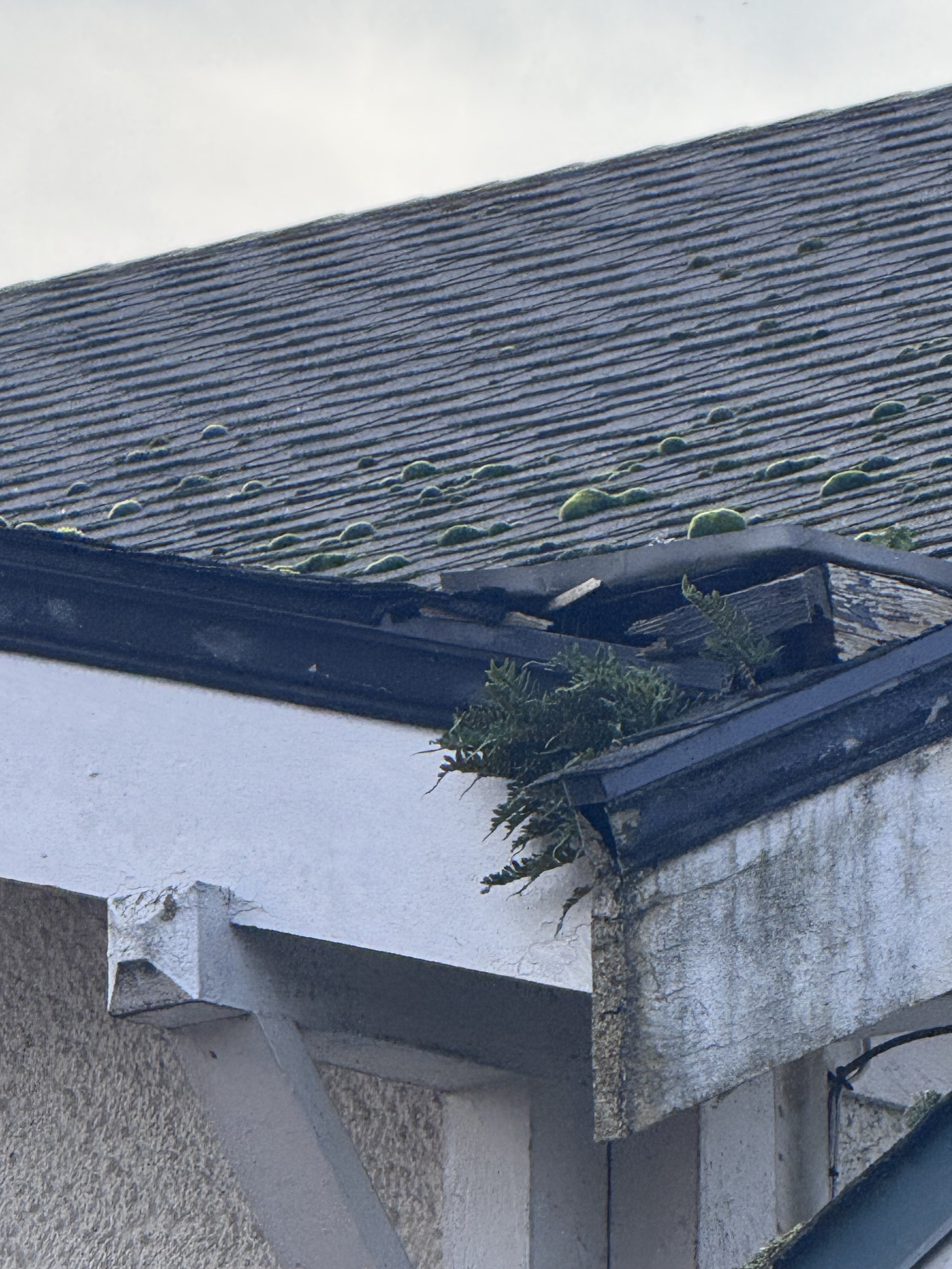
The Not-So-Funny Side of Green

Ah yes, “Green Eggs and Ham” — a classic. A tale of persistence, surprise, and maybe a little peer pressure. But when we’re talking green moss and shingles, the rhyme loses its charm. Moss may look cozy up there, giving your roof that woodland fairy-tale vibe, but it’s really more of a freeloading tenant than a friend. Unlike Sam-I-Am’s meal, this green growth comes with no happy ending — just headaches, repairs, and possibly a soggy attic.

What the Moss Is Really Up To

Here’s the sneaky part: moss doesn’t just sit politely on your shingles. It digs in, gripping the surface and lifting the edges like a mischievous kid peeling stickers. That fluffy green cushion? It’s a sponge in disguise — holding onto rainwater, dew, and humidity long after the clouds have cleared. Over time, that moisture seeps underneath, softening the roof decking and creating perfect conditions for rot. Before you know it, your “eco-friendly” green roof is actually a slow-motion science experiment in decay.

Why You Shouldn’t Just Brush It Off

You might think, “I’ll just sweep it away!” — like wiping crumbs off the table. But moss doesn’t give up that easily. Even after a cleaning, its microscopic roots often remain buried between shingles, waiting for the next rainstorm to stage a comeback. Removing moss the wrong way can actually make things worse, tearing off protective granules and shortening your roof’s lifespan.

Call in the Pros — Before the Moss Throws a Party

This is where Elevra Roofing comes in — think of us as the moss whisperers (minus the rhyme and with a lot more science). Our trained inspectors know how to spot early damage that hides beneath that fuzzy facade. With a quick inspection, we’ll tell you if your roof’s integrity has been compromised and what steps to take before small problems turn into big leaks.

A Rhyming Reminder (because why not?)

You do not want moss here or there,

You do not want it anywhere!

Not on your roof, not in the rain,

Not lifting shingles, not again!

So call Elevra — yes, you can,

We’ll save your roof - with a long-term plan.

Final Word

If your roof is looking more “forest floor” than “curb appeal,” it’s time to act. Moss may love your shingles, but trust us — the feeling isn’t mutual. Book your free roof inspection with Elevra Roofing, and we’ll make sure your home stays dry, strong, and beautifully un-green.

Why Choose Elevra Roofing for a Roof full of Moss Inspection?

At Elevra Roofing, we specialize in roof moss inspections, storm damage assessments, and roof replacements that restore your home’s integrity and peace of mind. With years of experience in extreme weather, we know exactly how moisture, heat, and moss affect your roofing system.

When you schedule a free roof inspection, our team will:

✅ Check for hidden water damage under shingles

✅ Evaluate your ventilation and decking condition

✅ Recommend proper moss removal or replacement options

✅ Provide a full photo report and repair estimate

We help homeowners protect what matters most — before the moss gets the upper hand!

Read More
Michael Gottschalk Michael Gottschalk

The Tale of the Curling Shingles

Curling shingles want Elevra Roofing to bring in the cavalry.
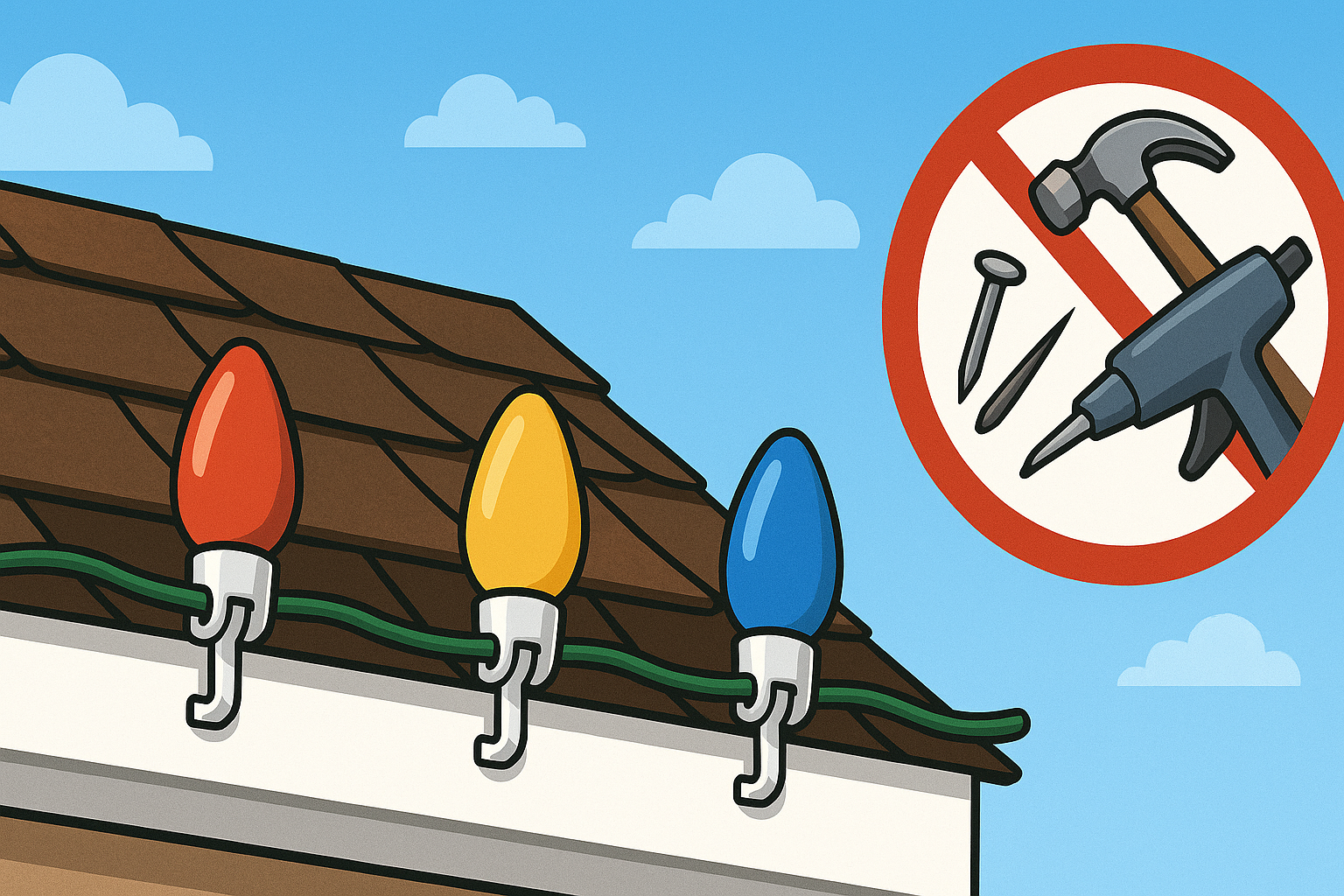
A slightly silly, slightly serious roofing story from Elevra Roofing

The Shingles That Wanted a Vacation

Once upon a rooftop on Vancouver Island, something strange was happening. The shingles—usually flat, calm, and well-behaved—began to curl at the edges. Not just a little flip. No, no. These shingles were curling like they’d just spotted a lounge chair in Tofino and decided they were overdue for a vacation.

If your shingles could talk, they’d likely say something like:

“We’re tired! We’re sunburnt! We’re soaked! We need a break!”

Sadly, curling shingles aren’t being dramatic. They’re telling you—quietly but clearly—that your roof is feeling older than it should.

Why Do Shingles Curl? (the shingles will explain…)

Shingles curl when they’re:

Overheated – “This UV sunshine is too much! Where’s the sunscreen?”

Moisture-logged – “We’re holding more water than the Pacific on a stormy Wednesday.”

Poorly ventilated – “It’s like a spa in the attic and nobody asked us!”

At the end of their lifespan – “We’ve given you many years… may we retire honorably now?”

Curling isn’t just cosmetic. It’s a warning sign—one that your roof may start lifting, cracking, leaking, or inviting in rain the way a friendly neighbor invites guests to a barbecue.

A Rhyming Reminder (because it’s just more fun that way)

Curling here, curling there,

Curling shingles everywhere!

On the roof they flip and flop,

A curling shingle just won’t stop!

If you see them bend and sway,

Don’t ignore it—call today!

Only one team has the skill,

To fix a curl and fit the bill…

Elevra Roofing, yes indeed—

We’re the experts that you need!

The Trouble With Curly Shingles

Once shingles start curling, the problems roll in like a foggy morning in Nanaimo:

Wind can rip them off (like paper tabs on a notepad)

Water sneaks underneath (your attic: “Please don’t do this.”)

Mold or rot may begin (not the kind of greenery you want)

Your roof loses lifespan fast

Think of curled shingles like a car’s “check engine” light—if you ignore it long enough, something expensive happens.

Why Elevra Roofing Should Be Your First Call

Here on Vancouver Island, roofs fight constant moisture, salty coastal air, and UV rays that age shingles quickly. That’s why curling is such a common early warning sign.

When you book an Elevra Roofing inspection, you get:

✔ A close-up assessment of every shingle condition

✔ Photos of early damage you can’t see from the ground

✔ Clear recommendations before small problems grow

✔ Honest, straightforward guidance (no pushy sales—ever)

Our team knows exactly how to tell the difference between a roof that needs a tune-up and a roof that’s ready for retirement.

Keep Your Roof Flat, Strong, and Happy

If your shingles are curling like a bad hair day, don’t wait for leaks, repairs, and regret. Your roof protects everything under it—your home, your investment, and your peace of mind.

Book your free roof inspection with Elevra Roofing, and we’ll make sure your shingles stay flat, sturdy, and far less dramatic.

Read More
Michael Gottschalk Michael Gottschalk

Lighting up the Holidays!

Elevra Roofing, lighting up your holidays - without wrecking your roof.

Lighting Up the Holidays—Without Wrecking Your Roof

The holidays are the perfect time to turn your home into a warm, glowing postcard… but your shingles? They’re not nearly as festive about it. Every year, homeowners unintentionally damage their roofs while hanging Christmas lights—often with tools or tricks they assume are harmless. The truth is, shingles are designed to protect your home from the elements, not support decorative hardware. With the right approach, you can decorate safely, beautifully, and without sacrificing the health of your roof.

Why Your Shingles Need Gentle Treatment

Shingles are built to withstand rain, wind, snow, and UV rays—but they’re not meant to be poked, nailed, glued, or stapled. Penetrating a shingle creates tiny entry points for moisture, which is the start of slow rot, hidden water intrusion, and expensive structural repairs. But even glue guns, adhesive strips, or “soft” mounting methods can cause trouble. Hot glue, for example, pulls off the protective granules on your shingles when removed—these granules are what shield your roof from UV and weathering. Once they’re gone, premature aging begins.

In short: if it pierces, heats, or sticks, it doesn’t belong on your shingles.

The Right Way: Clip-On Hardware That Doesn’t Touch the Roof Surface

The safest, most homeowner-friendly method is to use plastic holiday light clips. Instead of piercing anything, they slide under the shingle or pinch onto the edge—no damage, no residue, no stress.

A few ideal options include:

Shingle-edge clips that gently pinch the lower edge of each shingle.

Gutter clips that hook directly onto the gutter’s lip without touching the roof surface.

All-in-one clips for C9 or mini lights that work on gutters and shingle edges.

These take seconds to install, can be re-used every season, and most importantly, keep the roofing system completely intact.

Avoid These Common Holiday Hazards

Many homeowners still rely on shortcuts that seem quick but cause long-term harm. Here’s what to never use on a roof:

Nails, screws, or staples — instant leaks waiting to happen.

Hot glue or liquid adhesives — they strip granules from shingles when removed.

Metal clips directly against shingle edges — metal + wind movement = granule loss.

Walking heavily on shingles — friction and weight can crack or crease older shingles.

Remember: your roof isn’t a workshop table. Treating it like one always ends badly.

Take It Off the Roof: Smarter, Permanent Solutions on the Soffit

If you want a cleaner, more professional, or multi-holiday setup, consider shifting the installation point away from the shingles entirely. Soffit and fascia systems offer safe anchor points that protect the roofing system while still creating that perfect perimeter glow.

Great longer-term options include:

Soffit-mounted light tracks that stay up year-round and work for Christmas, Halloween, and every seasonal theme.

Permanent LED holiday systems (installed by a professional) that sit beneath the roofline—not on the roof.

Fascia clips that attach below the drip edge, staying well away from the shingles.

These solutions let you decorate for any season without ever touching the delicate roofing materials above.

Protect Your Safety, Too—Tis the Season for Ladder Accidents

Holiday decorating leads to a spike in ladder-related injuries every year. If you have difficulty with heights, balance issues, vertigo, or simply don’t feel comfortable navigating a ladder against the roofline, safety should come first. Hiring a reputable installation company—or asking for help from a neighbor or family member—is far better than risking a fall.

A Little Care Now Saves Big Money Later

When done properly, holiday lights should never shorten the lifespan of your roofing system. By avoiding adhesives and nails, sticking to non-damaging clips, and using soffit-friendly permanent mounts, you protect both your curb appeal and your home’s infrastructure.

If you want more guidance on protecting your roof through every season—or suspect past decoration attempts have caused unnoticed wear—Elevra Roofing is always here with expert inspections and Vancouver-Island-focused advice.

Read More